My First Coup

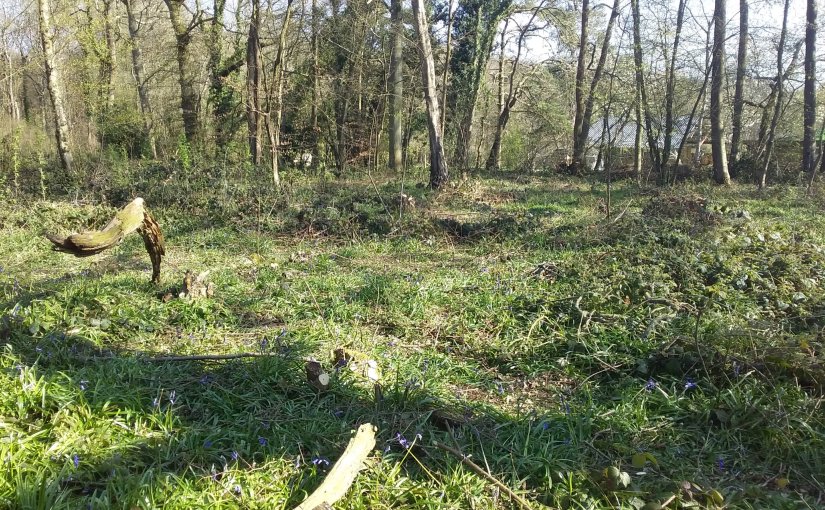
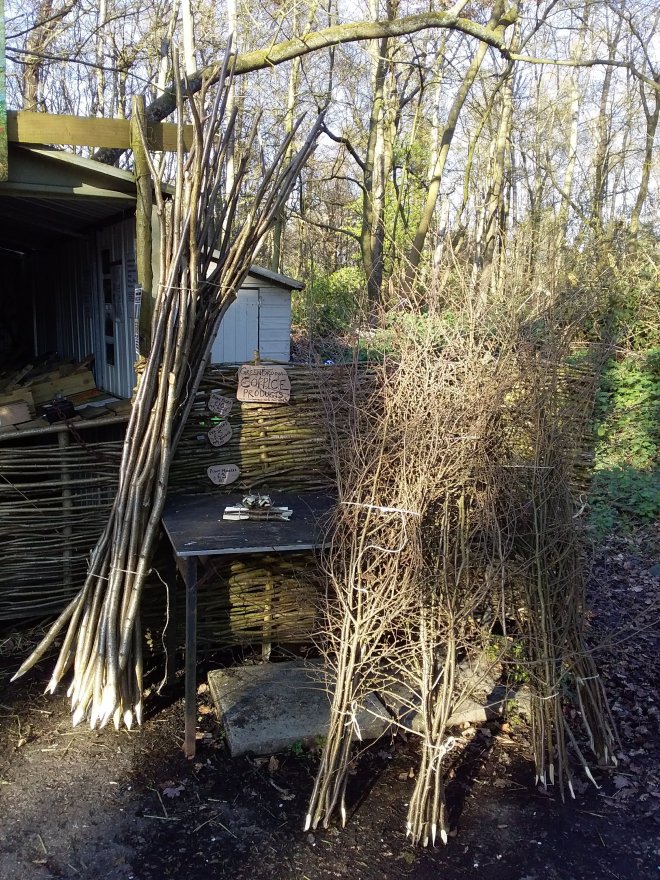
Well, the bluebells are out in force, the leaves are bursting into life and I am exhausted. So it must be spring! With my first coup nearly finished and ready to enjoy all the lovely sunlight it can now receive I am ready to settle down into making and selling mode.
20190411_1544021228047303.jpg
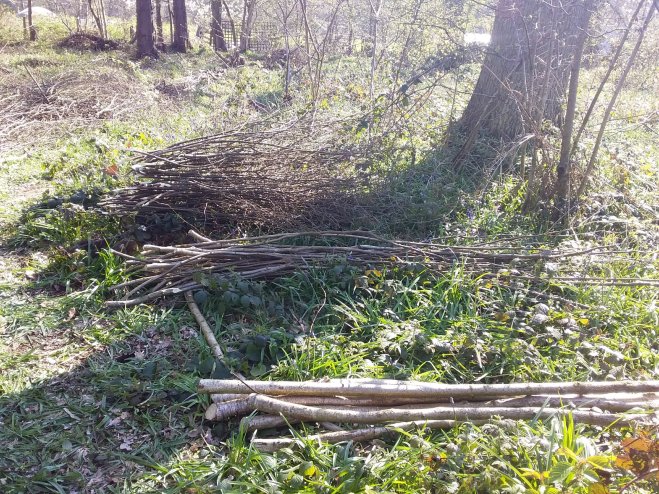
piles of products

I’ve been really lucky to have three woods to work in this winter and each have offered a different experience. Iain Loasby showed me how the professionals do it – well finish it, because I actually missed the cutting part – and then I got the chance to work in a fairly productive woodland in Worcester filling real life orders for real life clients. Finally I was able to put my heart and soul into a little coup in South Oxfordshire where I have been given to chance to practice everything I’ve learnt.

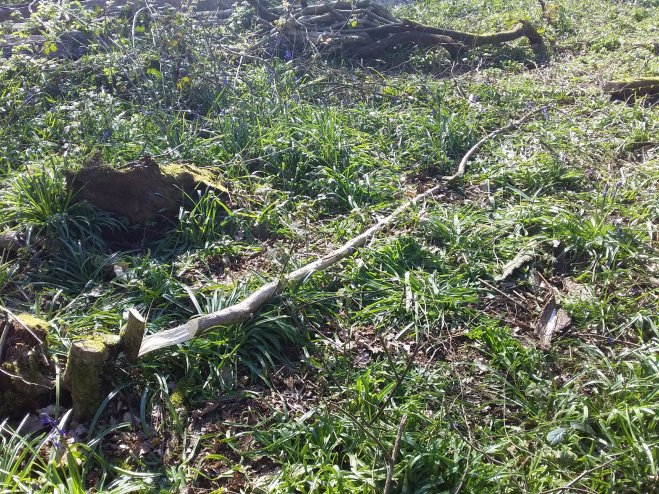
It was a very small and very over-stood so was more of a restoration project rather than a fully functioning coppice. Even so, there has been a chance to sell a few products and have already sold some bean poles in the farm shop. I also have plenty of pea-sticks if anyone is interested!
20190411_154338344759072.jpg
Bit of layering

The hazel is quite sparse in this coup so I’ve layered some of the trees. This will hopefully increase the density for the next cut. I’ve also left small piles of wood to rot down and turn into habitats for the local small mammal population. The chickens also seem to like to use the brash piles as secret laying spots.
20190411_1543581942900739.jpg

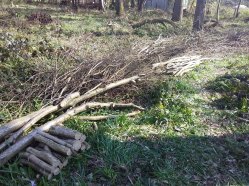
All the material has been put into a hedge around the coup so that over the next year, once the material starts to dry out, we can use it for firewood and kindle, as well as making pretty fences and other various crafty things.

I’m shattered but its been great fun and now I get to think about what I will make!
20190410_175544310193850.jpg

An Introduction to Woodland Management

I had a chance this weekend to really get my teeth into woodland management.  After spending a lot of time in the woods over the winter and taking part in coppicing, felling trees and watching tree surgeons top and lop, I was excited to be able to correlate some of my practical experience with the management side of things.

img_20190407_204644_4571976738240.jpg
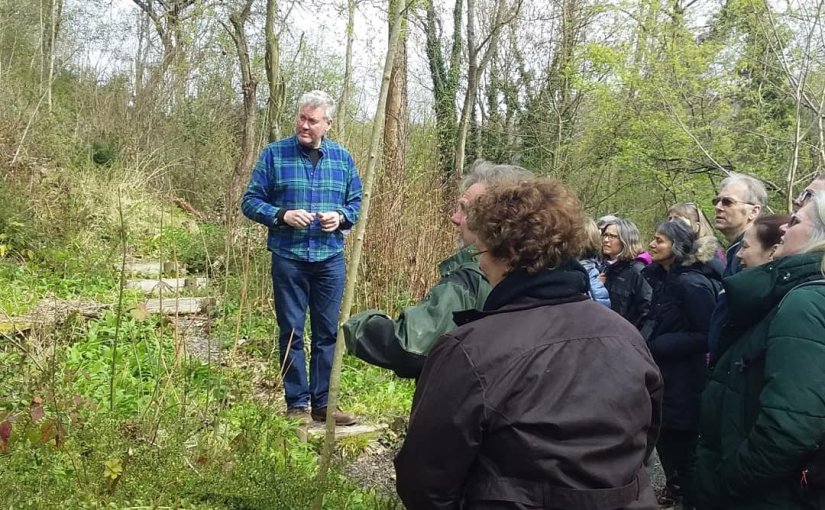
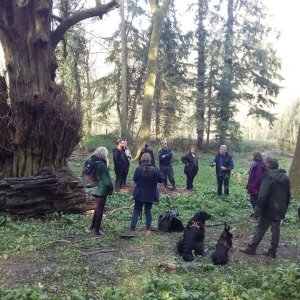
A lovely old lime tree joins the circle

The workshop was led by Jim Waterson, who has managing woodlands for many years and now teaches other newbies like me.

Of course, my main interest is the coppice aspect of woodland management, but it was also interesting to learn about what is called High Forest – the trees that you don’t coppice.

Making a woodland management plan involves quite a few considerations.  These are short-term and long-term considerations, often thinking beyond your own lifetime.  A plan also needs to be clear and easy to understand so that who ever inherits the plan can understand what you were on about and what your vision for the woodland was.

A big consideration at this time is climate change/chaos.  We are in a period of unpredictable weather that could adversely effect our native woodland species.  With the prediction of rising temperatures and water levels we need to be thinking about what tree species are going to thrive best in this environment.  Some species of french oak might fair better in hotter climes and species such as lime and sycamore might be more hardy in hotter weather.  (Ideally, we’d be holding the industries responsible for climate chaos accountable and not needing to apply any damage control – but there you go.)

img_20190407_204644_461107305629.jpg
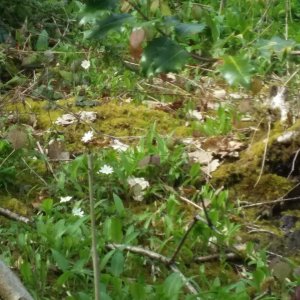
wood anemone

Pests and diseases are also on the up. This is due mostly to imports but is compounded by climate chaos which stresses the trees, leaving them more susceptible to attacks.

Management of a woodland comes with a fair amount of responsibility, especially if one has public paths.  However, even if you don’t have the public wandering through your woods you are still liable for taking measures to ensure that the woodland is well-managed and that any dangerous branch or tree is dealt with.  Public liability insurance is a good idea.

When it comes to the legal side of things most small woodland owners won’t need a felling licence.  One is allowed to fell up to 5 cubic metres per quarter and if you’ve just bought a 6 acre woodland.co.uk property you could probably cut your entire woodland down in a year with that (please don’t).  Some types of felling are also exempt and coppicing trees under 150mm comes under this, which is handy.  But make sure you check with your local tree officer before undertaking any work.  Any trees cut down that are in a designated area and require a license or have a Tree Preservation Order could leave you in court.

If you are interested in taking one of these courses then get in touch with the Small Woods Association or do a quick search online and look out for Jim Waterson.


I am now a trained killer (of trees)

wp-1540581519135635604594.jpg

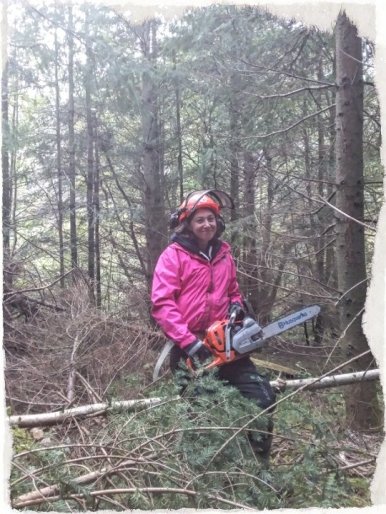
As most of my friends will tell you, I am a raging hippy at heart and one of the conflicts I have about being a coppicer is the idea of cutting down trees. So this week the internal conflict has been at full volume as I’ve been learning how to use a chainsaw.

As someone who grew up in a city and only experienced woodlands as a ‘consumer of

wp-1540581455883218944893.jpg
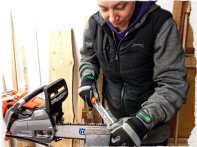
Sharpening the chain

the woodland experience’ I had no idea how much management, and cutting, occurs in a woodland. The thing that I am beginning to realise is that woodland ‘management’ from humans and our ancestors has been going on for so long that the very ecosystem has evolved around human activity. It expects us to clear small parts of the forests periodically so that certain flowers will grow. It expects us to burn things and thin areas out. We protect it from diseases and invasive species, yes so that we can get materials for ourselves, but this is a symbiotic relationship. The relationship has only changed extremely recently to a parasitic one since we’ve been turning wood into money instead of just useful products and materials.

wp-15405816456701588649892.jpg

With that said, chainsaws still feel a little too imposing. But at the end of the day they are a great tool to have if you ever need to cut a tree down or cross cut logs.

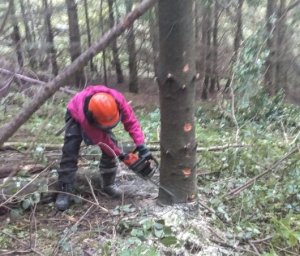
During this week we’ve learnt all the basics of chainsaw maintenance, felling cuts and all the health and safety stuff that goes with cutting huge bloody trees down. One of the common issues with cutting down conifers in plantation woodland is getting a ‘hung’ tree. A hung tree is a tree that you’ve cut but has been caught up in the nearby trees instead of falling to the ground. This happened on most of my cuts and there are several ways you can deal with it.

One of the ways is to lightly ‘feather’ away the ‘hinge’ with the chainsaw. I know. ‘Feather’ and ‘Chainsaw’ don’t really seem to match but in some circumstances, plunging straight in with the chainsaw will pinch the saw between the tree and the stump, so when one ‘feathers’ with a chainsaw you are lightly brushing the wood with the saw so that it doesn’t get trapped. When you feather away a hinge you leave about 20% of the hinge attached. The hinge is extremely important as it gives the feller a certain amount of control and predictability over where the tree will fall. If you take the whole hinge off too early it can topple in an unexpected direction.

Once you have a peg you can then use a pole or a felling bar with a hook to lever the tree to one side. This, however, doesn’t always work. When you’ve tried every other option thats safe to use – surfing on top of it is a no no unfortunately – then its time to get the winch out as we did today.


I’m happy to say that I won’t be cutting too many trees down, unless they are well chosen standards to bring more light into a coppice. However, using chainsaws for coppicing is another thing all together and I look forward to seeing how that all works in the near future.