Over the last two weeks I have been chief elf for one of my mentors Dave Jackson AKA The Stick Smith. Dave is a master at coming up with creative ways to use coppiced materials such as hazel and oak and has a great range of modern products. My favourite products to work on were the bird feeders. One was designed to hold an apple and the other used recycled wine bottles to hold some birdseed. I’m keen to learn traditional skills but I’m glad to have some experience in making high end products that create coppiced products with a modern twist.
Dave also made reindeer, wreaths, Christmas decorations, whistles and tea light holders.
I asked Dave about selling at markets and if he had any tips on pricing. Dave explained that he would adjust the prices depending on how well a product was selling. For example the bird feeders were struggling to sell at £20 so Dave brought them down to £15. Once they started flying off the shelf… he creeped the price up to £18. This didn’t effect the sales but he wasn’t sure they would break the £20 mark so he kept them at this price and managed to almost sell them all. Experimenting like this seems really useful on a weekend market where you have three days to try and understand your customer and work out what they are willing to pay.
Yesterday I had the honour of working with Small Woods Heritage Craft Officer, Neill Mapes. Neill was running the fantastic Build A Bench workshop with a group of local people. The group were already well ahead of me with their welsh stick chairs so I decided to make a start on a milking stool instead. This will be my first chair and I’m very excited about it.
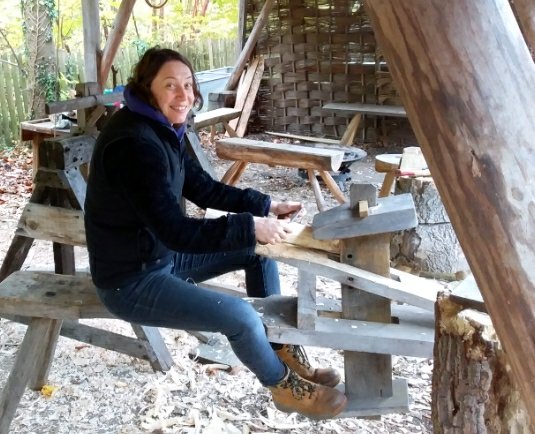
The first job was to cleave some ash into leg sized pieces. Next an axe was used to pare down the legs into a leggy shape, and prepare the end to be more or less the same size as a 1 inch tenon cutter. The legs were shaped further on the shaving horse with a draw knife.
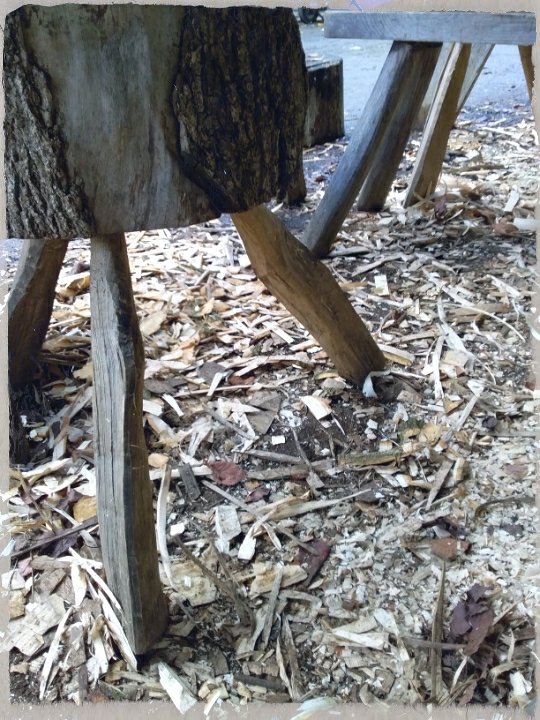
To attach the legs to the chair I will be using green wood working. This means that I will dry the legs by a radiator for a few days then attach them to a ‘green’ seat. As the unseasoned green seat drys it will shrink around the legs, meaning that, apart from a few wedges, there will be no need for screws or nails. Ingenious!
I cut the seat out on a bandsaw and its ready to go once the legs have dried.
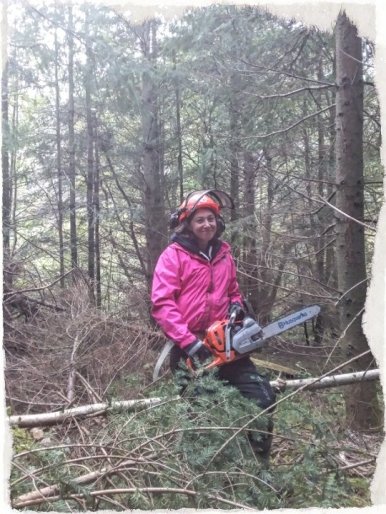
As most of my friends will tell you, I am a raging hippy at heart and one of the conflicts I have about being a coppicer is the idea of cutting down trees. So this week the internal conflict has been at full volume as I’ve been learning how to use a chainsaw.
As someone who grew up in a city and only experienced woodlands as a ‘consumer of
Sharpening the chain
the woodland experience’ I had no idea how much management, and cutting, occurs in a woodland. The thing that I am beginning to realise is that woodland ‘management’ from humans and our ancestors has been going on for so long that the very ecosystem has evolved around human activity. It expects us to clear small parts of the forests periodically so that certain flowers will grow. It expects us to burn things and thin areas out. We protect it from diseases and invasive species, yes so that we can get materials for ourselves, but this is a symbiotic relationship. The relationship has only changed extremely recently to a parasitic one since we’ve been turning wood into money instead of just useful products and materials.
With that said, chainsaws still feel a little too imposing. But at the end of the day they are a great tool to have if you ever need to cut a tree down or cross cut logs.
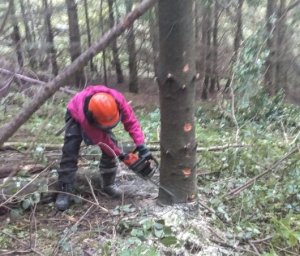
During this week we’ve learnt all the basics of chainsaw maintenance, felling cuts and all the health and safety stuff that goes with cutting huge bloody trees down. One of the common issues with cutting down conifers in plantation woodland is getting a ‘hung’ tree. A hung tree is a tree that you’ve cut but has been caught up in the nearby trees instead of falling to the ground. This happened on most of my cuts and there are several ways you can deal with it.
One of the ways is to lightly ‘feather’ away the ‘hinge’ with the chainsaw. I know. ‘Feather’ and ‘Chainsaw’ don’t really seem to match but in some circumstances, plunging straight in with the chainsaw will pinch the saw between the tree and the stump, so when one ‘feathers’ with a chainsaw you are lightly brushing the wood with the saw so that it doesn’t get trapped. When you feather away a hinge you leave about 20% of the hinge attached. The hinge is extremely important as it gives the feller a certain amount of control and predictability over where the tree will fall. If you take the whole hinge off too early it can topple in an unexpected direction.
Once you have a peg you can then use a pole or a felling bar with a hook to lever the tree to one side. This, however, doesn’t always work. When you’ve tried every other option thats safe to use – surfing on top of it is a no no unfortunately – then its time to get the winch out as we did today.
I’m happy to say that I won’t be cutting too many trees down, unless they are well chosen standards to bring more light into a coppice. However, using chainsaws for coppicing is another thing all together and I look forward to seeing how that all works in the near future.
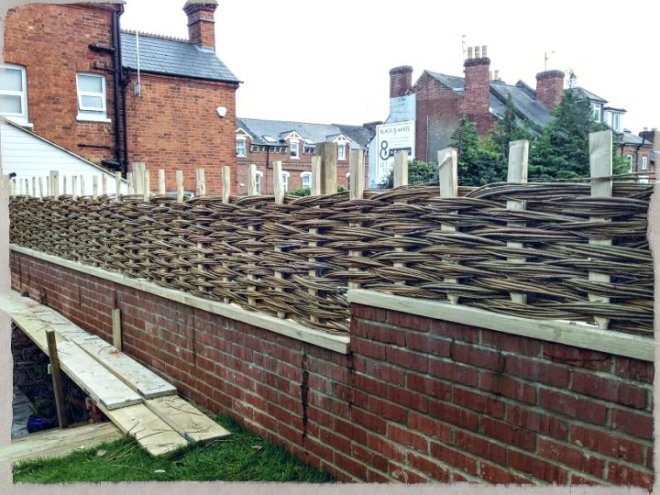
Today I had a chance to work on a willow in-situ hurdle. The fence was about 10mtrs long topping a small brick wall. My new mentor, Dave Jackson, started the fence by drilling oak beams to the top of the brick wall as supports for the sweet chestnut uprights. We then weaved in wet and dry willow rods that were cut about one year ago.
This was an easy enough job with a beautiful finish. This is going to be a wonderful skill to have.
Top tips for the day:
Keep the butts of the rods that you add to the hurdle as close to the uprights as possible. This will reduce the amount of pruning at the end of the job.
Use thicker rods to correct any uprights that are being pushed out of alignment. The stronger rods will push the uprights back but be careful not to push them back yourself too much as they can snap.
Mix the sizes of rods you use in each handful so that all the different sized rods get used and there is a good variety of sizes across the hurdle.
“The tree which moves some to tears of joy is in the eyes of others only a green thing that stands in the way. Some see nature all ridicule and deformity… and some scarce see nature at all. But to the eyes of the man of imagination, nature is imagination itself.”
– William Blake
“A sure cure for seasickness is to sit under a tree.”
– Spike Milligan
Hello! My name is Suz and I am a coppicer. Well… not quite yet. But I was lucky enough to be chosen to be part of the National Coppice Apprenticeship Scheme, which is a partnership between Small Woods and the Bill Hogarth MBE Memorial Apprenticeship Trust and funded by The Ernest Cook Trust – you can read more about that here.
This blog is a diary of my journey from London based care worker to fully fledged woman of the woods. It will document the lifestyle of a modern day coppicer and all the techniques and tools that are involved. This is such a great sustainable industry so it’s an honour to be part of the resurgence of the coppicing community. I hope you enjoy this journey with me!
Suz x
P.S. Please feel free to correct me on any errors I’ve made in the comment sections below the offending post. This is a learning diary and any corrections will be greatly appreciated and will hopefully help others as well.
P.P.S. Please subscribe and pass on to anyone who you think will find this interesting. Cheers!

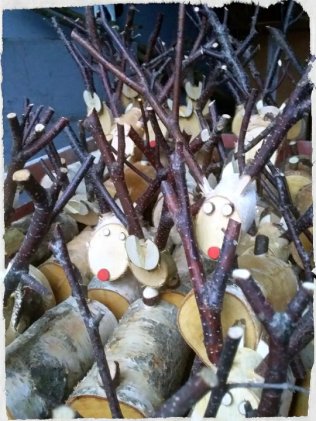 Over the last two weeks I have been chief elf for one of my mentors Dave Jackson AKA The Stick Smith. Dave is a master at coming up with creative ways to use coppiced materials such as hazel and oak and has a great range of modern products. My favourite
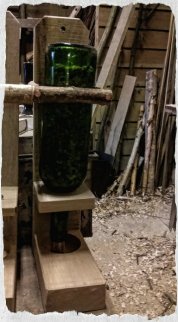 products to work on were the bird feeders. One was designed to hold an apple and the other used recycled wine bottles to hold some birdseed. I’m keen to learn traditional skills but I’m glad to have some experience in making high end products that create coppiced products with a modern twist.
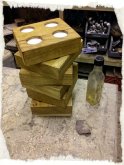 them down to £15. Once they started flying off the shelf… he creeped the price up to £18. This didn’t effect the sales but he wasn’t sure they would break the £20 mark so he kept them at this price and managed to almost sell them all. Experimenting like this seems really useful on a weekend market where you have three days to try and understand your customer and work out what they are willing to pay.




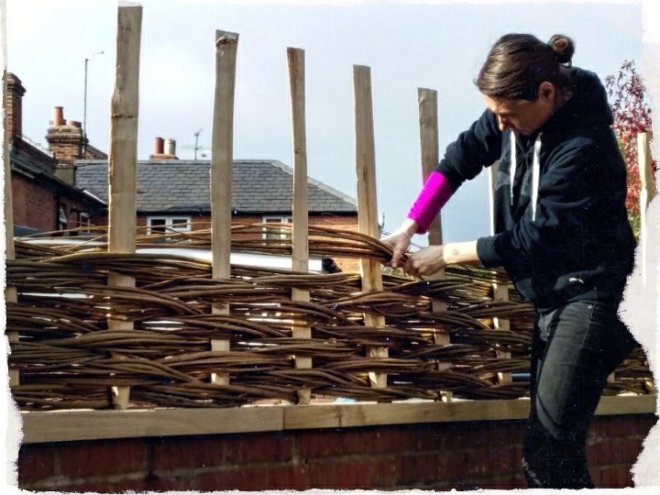 Today I had a chance to work on a willow in-situ hurdle. The fence was about 10mtrs long topping a small brick wall. My new mentor,