
Belated happy new year to all!
It’s been a slow start to the year with lots of time needed for resting and recovering from back to back bugs. But now the end of the month is here I’m back on track and ready to begin the year in earnest.
It’s not all been long naps and lemons and ginger tea, I have also been pottering away and making lots and lots of split hazel baskets.
The technique, historically popular in Wales, was shown to me over the summer and since then I’ve been hooked. Every part of the process is enjoyable and has a unique set of skills to learn.
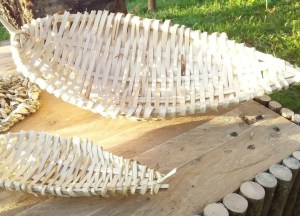
Using a hazel rod to make a basket can be very efficient. Every part of the stick can be used to make different aspects of the basket such as the frame, the weavers and the ribs, so, apart from a pile of shavings, you’re not left with much waste. This is handy because suitable hazel rods for basket making are fairly old compared to their willow counterparts, which in my opinion, makes them a much more valuable resource.
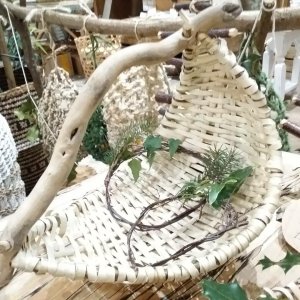
The best sticks for making hazel baskets are the slow growing sunshoots that grow on overstood hazel (hazel growing under heavy canopy cover from other trees) and so these can be up to 10 years old even though they are the same width as a 4 year old rod grown in the sunlight. The thing to remember is that an overstood hazel tree needs its sunshoots, so to protect the tree from damage only one or two rods can be taken from each tree, and only if they have a few others to keep them going.
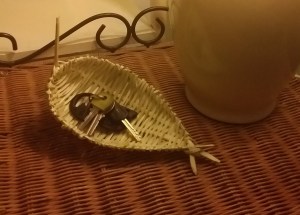
I’ve been working in miniture mostly so that I can save even more resources. This often means I can practice making a basket with just one rod. its more fiddly and takes a bit longer to prepare the material but they turn out well and look cute. The one issue with selling this kind of things is that because it is smaller customers assume it will be cheaper. This isn’t the case at all as it takes just as long to make a smaller one because of the fiddliness!
If you would like to know how to make a basket then I can highly recommend Lewis Goldwater and Zed Outdoors youtube video on how to make a split basket. It is a mega video at about 4 hours long but well worth a watch and has a timestamp in the description so you can go to a specific part.
Later this year I will be working with Ruth Pybus who is a master split hazel basket maker and also hope to display some of my baskets at the Oxfordshire Basket Makers annual basketry exhibition.
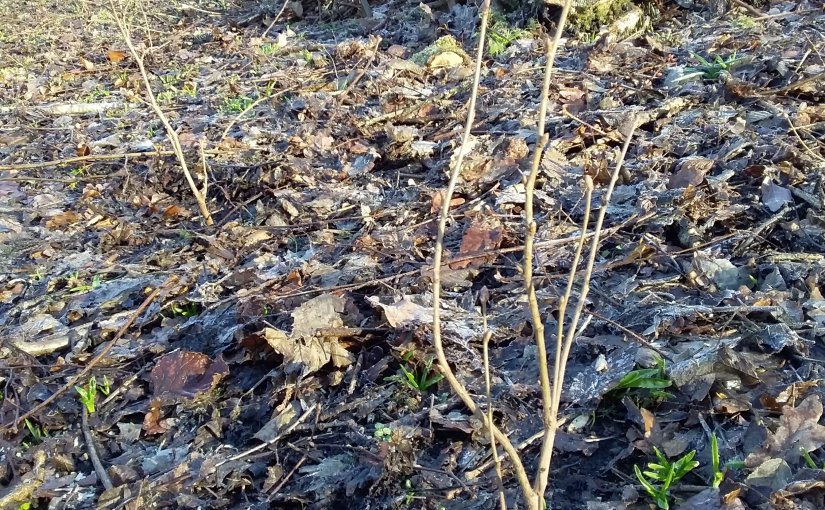
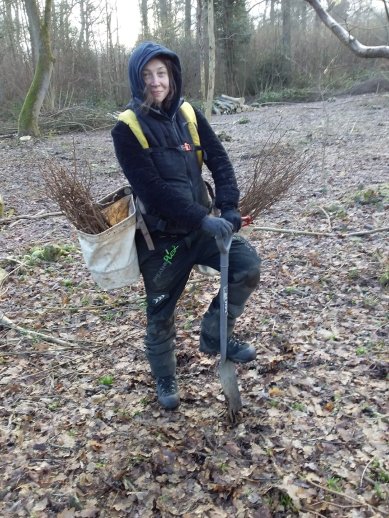
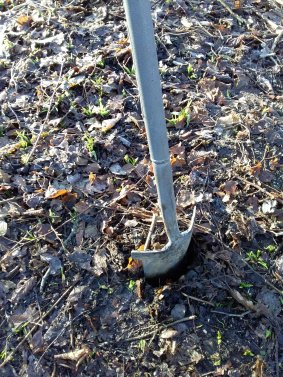 idea. This is mostly due to the unknown origin of the whip and the possibility that it won’t be acclimatised for the area. Although the whips come from the UK they may come from very different climates. Some of the trees in this years coup for example didn’t loose their leaves until the middle of December. This suggests that the whips came from a more northern climate than their southern cousins and were still waiting for a colder cue to loose their leaves. This was slightly problematic when making pea sticks and faggots as these products are often requested without leaves and so required some vigorous waggling to remove them.
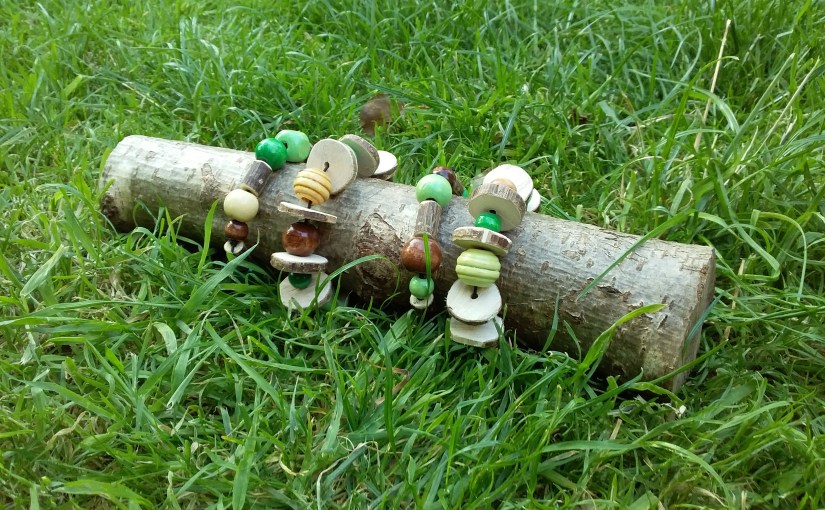


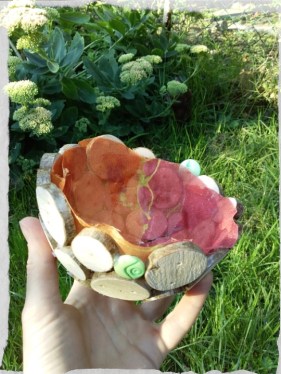 e also been wondering what I could make with all those little bits. I decided that, however bendy a rod, you can always make disks and a disk is a very useful shape indeed.

